





Direkt zum Inhalt

Warenkorb

  • Cathleen Chaffee (Hg.)

    Introducing Tony Conrad: A Retrospective

  • Bruno Carvalho, Mariana Cavalcanti and…

    Occupy All Streets: Olympic Urbanism and Contested Futures…

  • gerade nicht auf Lager
    Tom Angotti, Sylvia Morse

    Zoned Out! Race, Displacement, and City Planning in New…

  • gerade nicht auf Lager
    Terreform (Hg.)

    Letters to the Leaders of China: Kongjian Yu and the Future…

  • gerade nicht auf Lager
    Deen Sharp, Claire Panetta (Eds.)

    Beyond the Square: Urbanism and the Arab Uprisings

  • Jennifer Corby

    Adventures in Modernism: Thinking with Marshall Berman

  • Flypaper #4:

    Nicole Eisenman: Conscious Razing

  • gerade nicht auf Lager
    Lynette A. Jones

    Haptics (Mit Press Essential Knowledge)

  • gerade nicht auf Lager
    A. Janevski, R. Marcoci, K. Nouril (Hg)

    Art and Theory of Post-1989 Central and Eastern Europe: A…

  • M. Kries, A. Klein, A. Clarke (Hg)

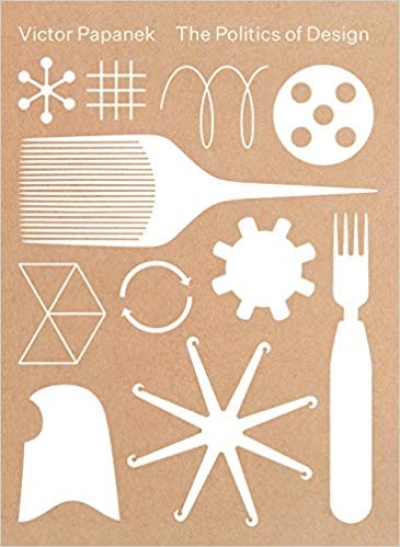
    Victor Papanek. The Politics of Design

  • gerade nicht auf Lager
    Merve Emre (Ed.)

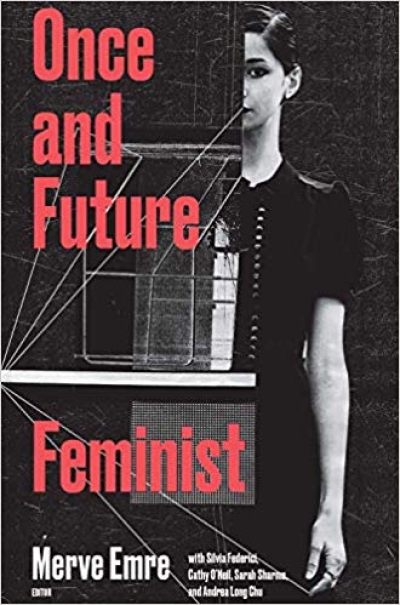
    Once and Future Feminist

  • Andreas Brandolini

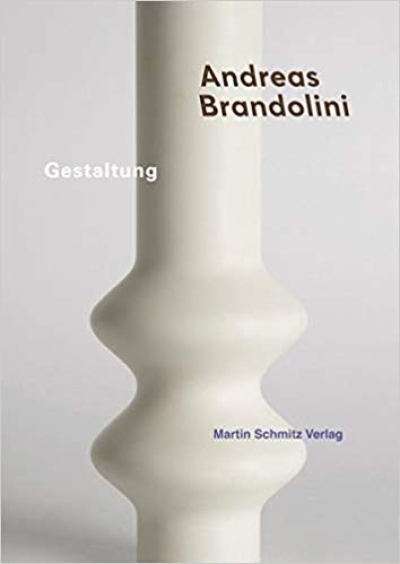
    Gestaltung

  • gerade nicht auf Lager
    Jacek Slaski

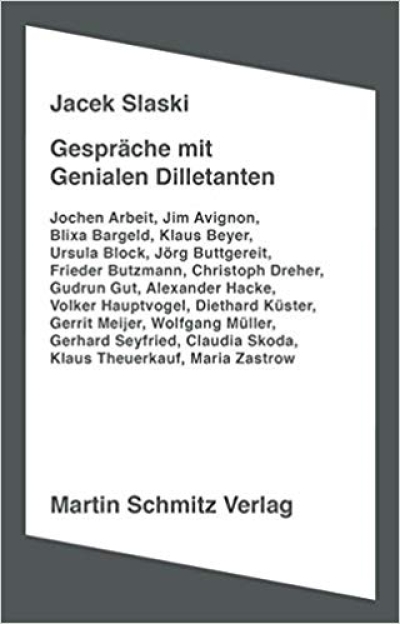
    Gespräche mit Genialen Dilletanten

  • gerade nicht auf Lager
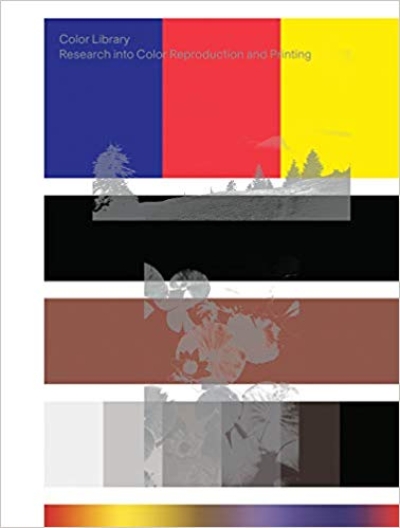
    M. Bruet, E. King, S. Shabahzi, F. Sigg

    Color Library. Research into Color Reproduction and Printing

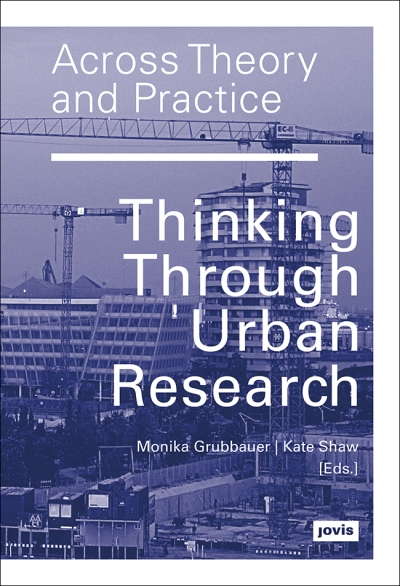
  • Monika Grubbauer, Kate Shaw (Eds.)

    Across Theory and Practice: Thinking Through Urban Research

  • gerade nicht auf Lager
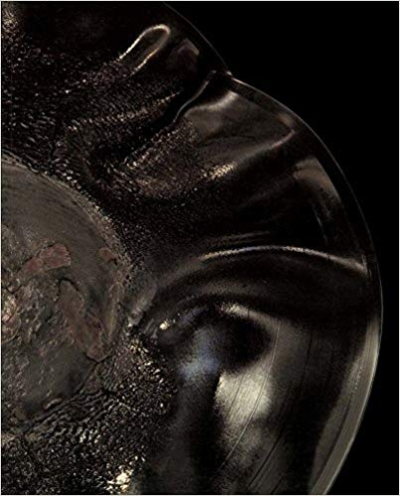
    Ursula Block, Michael Glasmeier

    Broken Music: Artists' Recordworks

  • A. Mircev (Ed.)

    O Plesu I Iz(a) Plesa

  • gerade nicht auf Lager
    2G n. 77

    Arrhov Frick

  • gerade nicht auf Lager
    B. Groys, A. Vidokle (Hg.)

    Kosmismus

  • gerade nicht auf Lager
    Museum für Gestaltung Zürich (Hg.)

    Social Design. Partizipation und Empowerment

  • gerade nicht auf Lager
    Lydia Kallipoliti

    The Architecture of Closed Worlds, or, What is the Power of…

  • gerade nicht auf Lager
    B. Wittner, S. Thoma, T. Hartmann (Hg.)

    Bi-Scriptual: Typography and Graphic Design with Multiple…

  • gerade nicht auf Lager
    John Byrne

    The Constituent Museum: Constellations of Knowledge,…

  • gerade nicht auf Lager
    Chimurenga, Edjabe, Pieterse (Hg)

    African Cities Reader (III)

  • gerade nicht auf Lager
    Lisa Vollmer

    Strategien gegen Gentrifizierung

  • gerade nicht auf Lager
    Kollektiv Orangotango+

    This Is Not an Atlas: A Global Collection of Counter-…

  • Martina Löw

    Vom Raum aus die Stadt denken: Grundlagen einer…

  • Bettina Allamoda (Hg.)

    Model Map - zur Kartographie einer Architektur am Beispiel…

  • gerade nicht auf Lager
    Mark Miodownik

    Liquid: The Delightful and Dangerous Substances That Flow…

  • gerade nicht auf Lager
    C. Alfaro, P. Rowe, C. Cardinal

    Form and Pedagogy: The Design of the University City in…

  • Max Haiven

    Art after Money, Money after Art: Creative Strategies…

  • gerade nicht auf Lager
    Omar Sosa, Nacho Alegre, Marco Velardi

    The World of Apartamento. Ten Years of Everyday Life…

  • gerade nicht auf Lager
    Claudia Kromrei

    Postmodern Berlin. Wohnbauten der 80er Jahre. Residential…

  • Catwalk To History - A Sourcebook.…

    Bettina Allamoda

  • gerade nicht auf Lager
    Kunsthalle Wien (Ed.)

    I'm Isa Genzken, the Only Female Fool

  • gerade nicht auf Lager
    Omar Kholeif

    The Artists Who Will Change the World

  • gerade nicht auf Lager
    F. Campagna, T. Morton

    Technic and Magic: The Reconstruction of Reality

  • gerade nicht auf Lager
    Murmurae (Paula Cobo-Guevarra, Manuela…

    Situating Ourselves in Displacement: Conditions,…

  • gerade nicht auf Lager
    Philipp Ekardt

    Toward Fewer Images. The Work of Alexander Kluge

  • gerade nicht auf Lager
    Damon Murray (Ed.)

    Brutal Bloc. Post Cards

  • gerade nicht auf Lager
    Donald Niebyl

    Spomenik Monument Database

  • gerade nicht auf Lager
    Fred Moten

    The Universal Machine

  • gerade nicht auf Lager
    Fred Moten

    Stolen Life

  • gerade nicht auf Lager
    Axel, Colomina, Hirsch, Lee, Wigley, (…

    Superhumanity: Post-Labor, Psychopathology, Plasticity

  • Cornelia Sollfrank (Hg)

    Die schönen Kriegerinnen. Technofeministische Praxis im 21…

  • Raimund Minichbauer

    Facebook entkommen

  • Javier Tapia

    Monte Carlo Club

  • A+U 429

    Housing Currents

  • gerade nicht auf Lager
    A+U 428

    Implementing Architecture. Cornell and the Education of…

  • gerade nicht auf Lager
    Dominic Bradbury

    The Iconic House: Architectural Masterworks Since 1900

  • gerade nicht auf Lager
    Paper Monument

    Draw it with your Eyes Closed. The art of the art…

  • gerade nicht auf Lager
    Femke de Vries

    Fashioning Value - Undressing Ornament: A critical study of…

  • gerade nicht auf Lager
    Giovanna Borasi (Hg.)

    Besides, History: Go Hasegawa, Kersten Geers, David Van…

  • gerade nicht auf Lager
    Alice Rawsthorn

    Design as an Attitude

  • Karl-Magnus Johansson (Ed.)

    Inscription

  • Armen Avanessian, Mohan Moalemi (Hg.)

    Ethnofuturismen

  • gerade nicht auf Lager
    Owen Hatherley

    Trans-Europe Express: Tours of a Lost Continent

  • gerade nicht auf Lager
    Markus Breitschmid

    Nicht-Referenzielle Architektur: Gedacht von Valerio Olgiati

  • gerade nicht auf Lager
    David Stubbs

    Mars by 1980. The Story of Electronic Music

  • James Hoff, Marian Kaiser

    "" #2 James Hoff / Marian Kaiser

  • GCC

    "" #4 Internal Affairs 2013 - 2018

  • Badlands Unlimited

    "" #5 Badlands Unlimited (Act 1)

  • Steffen Richter, Andreas Rötzer (Hg.)

    Dritte Natur: Technik Kapital Umwelt

  • gerade nicht auf Lager
    Tamie Glass

    Prompt: Socially Engaging Objects and Environments

  • gerade nicht auf Lager
    David Blamey, Brad Haylock (Eds.)

    Distributed

  • St. Lanz, St. Peter, K. Wildner (Hg.)

    Sun City Nowosibirsk: Transformationen einer sibirischen…

  • Max Allen

    Ideas That Matter. The Worlds of Jane Jacobs

  • gerade nicht auf Lager
    David Grubbs

    Now that the audience is assembled

  • gerade nicht auf Lager
    Perspecta 50

    Urban Divides

  • C. Bock, U. Pappenberger, J. Stollmann…

    Das Kotti-Prinzip. Urbane Komplizenschaften zwischen Räumen…

  • gerade nicht auf Lager
    Junya Ishigami

    Freeing Architecture

  • gerade nicht auf Lager
    Debra Benita Shaw

    Posthuman Urbanism. Mapping Bodies in Contemporary City…

  • Geoffroy de Lagasnerie

    Denken in einer schlechten Welt

  • Jean Molitor

    bau1haus - die moderne in der welt. modernism around the…

  • gerade nicht auf Lager
    Maura Reilly

    Curatorial Activism. Towards an Ethics of Curating

  • Vincent Meessen

    The Other Country. L'autre Pays

  • Sparke, Brown, Lara-Betancourt, Lee,…

    Flow. Interior, Landscape, and Architecture in the Era of…

  • Cassim Shephard

    Citymakers. The Culture and Craft of Practical Urbanism

  • gerade nicht auf Lager
    Aileen Burns, Tara McDowell, Johan…

    The Artist As Producer, Quarry, Thread, Director, Writer,…

  • gerade nicht auf Lager
    Delft Architectural Studies on Housing

    From Dwelling to Dwelling: Radical Housing Transformation

  • gerade nicht auf Lager
    Thomas Düllo, Holger Schulze, Florian…

    Was erzählt Pop?

  • gerade nicht auf Lager
    D. Bartetzko, K. Berkemann (Hg)

    märklinMODERNE: Vom Bau zum Bausatz und zurück

  • Niekolaas Johannes Lekkerkerk

    The Standard Book of Noun-Verb Exhibition

  • Brent D. Ryan

    The Largest Art. A Measured Manifesto for a Plural Urbanism

  • gerade nicht auf Lager
    Éric Alliez, Maurizio Lazzarato

    Wars and Capital

  • gerade nicht auf Lager
    Doina Petrescu, Kim Trogal (Hg)

    The Social (Re)Production of Architecture. Politics, Values…

  • Sean Keller

    Automatic Architecture: Motivating Form After Modernism

  • gerade nicht auf Lager
    Omar Kholeif

    Goodbye, World! Looking at Art in the Digital Age

  • Merlin Carpenter

    The Outside can´t go Outside

  • gerade nicht auf Lager
    Pedro Gadanho (Ed.)

    Eco-Visionaries: Art, Architecture, and New Media after the…

  • Steven Shaviro

    Die Pinocchio Theorie

  • Ruth Artmonsky, Stella Harpley

    From Palaces to Pre-fabs: Pioneering Women Interior…

  • gerade nicht auf Lager
    Bruno Giuliana

    Atlas of Emotion: Journeys in Art, Architecture, and Film

  • gerade nicht auf Lager
    GRAFT Architekten, Marianne Birthler (…

    Unbuilding Walls: Vom Todesstreifen zum freien Raum/From…

  • gerade nicht auf Lager
    Tom Dyckhoff

    The Age of Spectacle: The Rise and Fall of Iconic…

  • gerade nicht auf Lager
    Isabelle Graw

    The Love of Painting: Genealogy of a Success Medium

  • gerade nicht auf Lager
    Ju Hee Hong

    European Art Book Fairs on the Shelf

  • gerade nicht auf Lager
    B. Bergdoll, J. Massey (Eds.)

    Marcel Breuer: Building Global Institutions

SIAHKAL 2.0: An A.I. resurrected discourse on Marxism & Islam


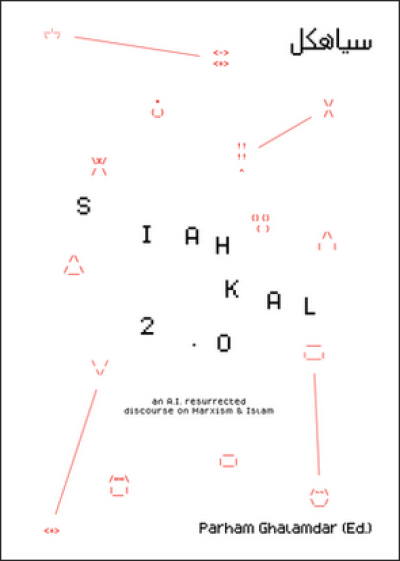
Siahkal names a place in the forests of Gilan and a threshold in revolutionary time. In 1971 a guerrilla action near Siahkal shook the order of the Shah. The action failed militarily yet seeded a myth for the People’s Fedai Guerrillas. Bizhan Jazani, a founding thinker, wrote and painted in prison and was executed in 1975. His work teaches that strategy rather than sentiment endures. // This book treats Siahkal as a Deep Object, a persistent attractor that gathers memory, images, and tactics. An AI model trained on Jazani’s writings and paintings translates his essay on Islamic Marxism and proposes annotations. The machine functions as a probe that widens attention while remaining accountable to the source. Parham Ghalamdar trained the AI, wrote the introduction, and composed ASCII diagrams and diagrammatic readings from Jazani’s artworks. Parsa Esmaeilzadeh contributes an essay that reads Jazani through Karatani and left accelerationism. // It is a call to reimagine and export revolution as a Deep Object that asks for Deep Time to unfold. This clandestine edition invites the reader to study, test, and build strategy that can outlast the news cycle and meet the future head on.

This is a limited edition book. The author trained an LLM on the texts of a deceased theorist, and then proceeded to interact with the LLM and produce simulations of what the theorist may have said in regards to various pertinent topics. The book is primarily a free online resource, but a few copies are being printed to commemorate the work. It has a foreword and afterword by the Editors.

At the core of this project is a translation of “Marxist Islam or Islamic Marxism,” a groundbreaking text written by Bizhan Jazani during his imprisonment in the 1970s under the Shah’s oppressive regime. Translated by Parham Ghalamdar, this work is accompanied by an introduction contextualizing Jazani’s radical vision. Ghalamdar also contributes a series of ASCII-style illustrations and diagrams—AI-assisted reinterpretations of Jazani’s original paintings and photographs—that bridge the past and present, offering a new perspective on his revolutionary artistry.


About the author
Parham Ghalamdar is a multidisciplinary artist currently based in the UK. Ghalamdar’s work traces forgotten mythologies, buried philosophies, and visual ruins, reconfiguring them into speculative worlds where memory, fiction, and futurism collapse into one another. Drawing on cybernetic theory and generative AI, he explores how systems of feedback, simulation, and machine vision mediate our understanding of history and possibility. Through painting, film, and writing, he builds narratives that feel both ancient and yet-to-come, haunted by lost histories and animated by possible futures.


Siahkal
names a place in the forests of Gilan and a threshold in revolutionary
time. In 1971 a guerrilla action near Siahkal shook the order of the
Shah. The action failed militarily yet seeded a myth for the People’s
Fedai Guerrillas. Bizhan Jazani, a founding thinker, wrote and painted
in prison and was executed in 1975. His work teaches that strategy
rather than sentiment endures. // This book treats Siahkal as a Deep
Object, a persistent attractor that gathers memory, images, and tactics.
An AI model trained on Jazani’s writings and paintings translates his
essay on Islamic Marxism and proposes annotations. The machine functions
as a probe that widens attention while remaining accountable to the
source. Parham Ghalamdar trained the AI, wrote the introduction, and
composed ASCII diagrams and diagrammatic readings from Jazani’s
artworks. Parsa Esmaeilzadeh contributes an essay that reads Jazani
through Karatani and left accelerationism. // It is a call to reimagine
and export revolution as a Deep Object that asks for Deep Time to
unfold. This clandestine edition invites the reader to study, test, and
build strategy that can outlast the news cycle and meet the future head
on.


This is a limited edition book. The author trained an LLM on the texts
of a deceased theorist, and then proceeded to interact with the LLM and
produce simulations of what the theorist may have said in regards to
various pertinent topics. The book is primarily a free online resource,
but a few copies are being printed to commemorate the work. It has a
foreword and afterword by the Editors.


At the core of this project is a translation of “Marxist Islam or
Islamic Marxism,” a groundbreaking text written by Bizhan Jazani during
his imprisonment in the 1970s under the Shah’s oppressive regime.
Translated by Parham Ghalamdar, this work is accompanied by an
introduction contextualizing Jazani’s radical vision. Ghalamdar also
contributes a series of ASCII-style illustrations and
diagrams—AI-assisted reinterpretations of Jazani’s original paintings
and photographs—that bridge the past and present, offering a new
perspective on his revolutionary artistry.


About the author

Parham Ghalamdar is a multidisciplinary artist currently based in the
UK. Ghalamdar’s work traces forgotten mythologies, buried philosophies,
and visual ruins, reconfiguring them into speculative worlds where
memory, fiction, and futurism collapse into one another. Drawing on
cybernetic theory and generative AI, he explores how systems of
feedback, simulation, and machine vision mediate our understanding of
history and possibility. Through painting, film, and writing, he builds
narratives that feel both ancient and yet-to-come, haunted by lost
histories and animated by possible futures.


Siahkal
names a place in the forests of Gilan and a threshold in revolutionary
time. In 1971 a guerrilla action near Siahkal shook the order of the
Shah. The action failed militarily yet seeded a myth for the People’s
Fedai Guerrillas. Bizhan Jazani, a founding thinker, wrote and painted
in prison and was executed in 1975. His work teaches that strategy
rather than sentiment endures. // This book treats Siahkal as a Deep
Object, a persistent attractor that gathers memory, images, and tactics.
An AI model trained on Jazani’s writings and paintings translates his
essay on Islamic Marxism and proposes annotations. The machine functions
as a probe that widens attention while remaining accountable to the
source. Parham Ghalamdar trained the AI, wrote the introduction, and
composed ASCII diagrams and diagrammatic readings from Jazani’s
artworks. Parsa Esmaeilzadeh contributes an essay that reads Jazani
through Karatani and left accelerationism. // It is a call to reimagine
and export revolution as a Deep Object that asks for Deep Time to
unfold. This clandestine edition invites the reader to study, test, and
build strategy that can outlast the news cycle and meet the future head
on.


This is a limited edition book. The author trained an LLM on the texts
of a deceased theorist, and then proceeded to interact with the LLM and
produce simulations of what the theorist may have said in regards to
various pertinent topics. The book is primarily a free online resource,
but a few copies are being printed to commemorate the work. It has a
foreword and afterword by the Editors.


At the core of this project is a translation of “Marxist Islam or
Islamic Marxism,” a groundbreaking text written by Bizhan Jazani during
his imprisonment in the 1970s under the Shah’s oppressive regime.
Translated by Parham Ghalamdar, this work is accompanied by an
introduction contextualizing Jazani’s radical vision. Ghalamdar also
contributes a series of ASCII-style illustrations and
diagrams—AI-assisted reinterpretations of Jazani’s original paintings
and photographs—that bridge the past and present, offering a new
perspective on his revolutionary artistry.


About the author

Parham Ghalamdar is a multidisciplinary artist currently based in the
UK. Ghalamdar’s work traces forgotten mythologies, buried philosophies,
and visual ruins, reconfiguring them into speculative worlds where
memory, fiction, and futurism collapse into one another. Drawing on
cybernetic theory and generative AI, he explores how systems of
feedback, simulation, and machine vision mediate our understanding of
history and possibility. Through painting, film, and writing, he builds
narratives that feel both ancient and yet-to-come, haunted by lost
histories and animated by possible futures.


Siahkal names a place in the forests of Gilan and a threshold in revolutionary time. In 1971 a guerrilla action near Siahkal shook the order of the Shah. The action failed militarily yet seeded a myth for the People’s Fedai Guerrillas. Bizhan Jazani, a founding thinker, wrote and painted in prison and was executed in 1975. His work teaches that strategy rather than sentiment endures. // This book treats Siahkal as a Deep Object, a persistent attractor that gathers memory, images, and tactics. An AI model trained on Jazani’s writings and paintings translates his essay on Islamic Marxism and proposes annotations. The machine functions as a probe that widens attention while remaining accountable to the source. Parham Ghalamdar trained the AI, wrote the introduction, and composed ASCII diagrams and diagrammatic readings from Jazani’s artworks. Parsa Esmaeilzadeh contributes an essay that reads Jazani through Karatani and left accelerationism. // It is a call to reimagine and export revolution as a Deep Object that asks for Deep Time to unfold. This clandestine edition invites the reader to study, test, and build strategy that can outlast the news cycle and meet the future head on.

This is a limited edition book. The author trained an LLM on the texts of a deceased theorist, and then proceeded to interact with the LLM and produce simulations of what the theorist may have said in regards to various pertinent topics. The book is primarily a free online resource, but a few copies are being printed to commemorate the work. It has a foreword and afterword by the Editors. 

At the core of this project is a translation of “Marxist Islam or Islamic Marxism,” a groundbreaking text written by Bizhan Jazani during his imprisonment in the 1970s under the Shah’s oppressive regime. Translated by Parham Ghalamdar, this work is accompanied by an introduction contextualizing Jazani’s radical vision. Ghalamdar also contributes a series of ASCII-style illustrations and diagrams—AI-assisted reinterpretations of Jazani’s original paintings and photographs—that bridge the past and present, offering a new perspective on his revolutionary artistry.


“Bizhan Jazani”, Parham Ghalamdar
SIAHKAL 2.0: An A.I. resurrected discourse on Marxism & Islam
Becoming Press, 2025, 978-9925-8207-7-1
15,00 €