












Direkt zum Inhalt

Warenkorb

  • gerade nicht auf Lager
    Felix Guattari

    The Three Ecologies

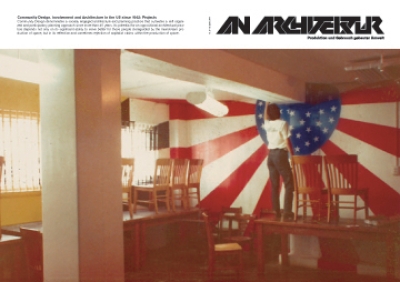
  • An Architektur

    An Architektur 19-21: Community Design. Involvement and…

  • Antonio Negri

    The Porcelain Workshop. For a New Grammar of Politics

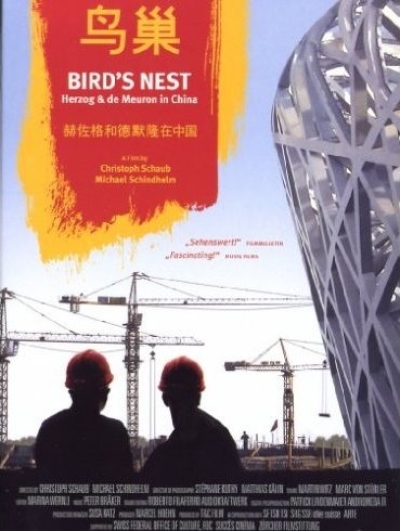
  • Christoph Schaub, Michael Schindhelm

    Bird's Nest (DVD, 87 min.). Jacques Herzog und Pierre…

  • gerade nicht auf Lager
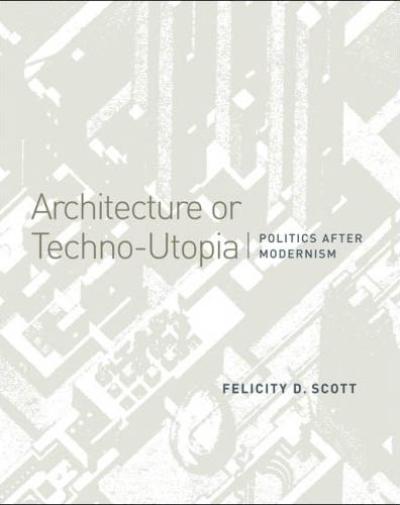
    Felicity D. Scott

    Architecture or Techno-Utopia. Politics after Modernism

  • gerade nicht auf Lager
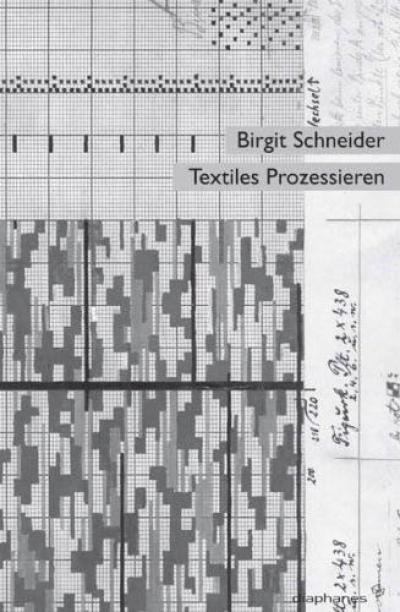
    Birgit Schneider

    Textiles Prozessieren

  • Bruno Latour

    Wir sind nie modern gewesen. Versuch einer Symmetrischen…

  • gerade nicht auf Lager
    Georges Canguilhem

    Wissenschaft, Technik, Leben. Beiträge zur historischen…

  • gerade nicht auf Lager
    Stuart Elden, Elizabeth Lebas, Eleonore…

    Henri Lefebvre. Key Writings

  • Laurence A. Rickels

    Ulrike Ottinger. Eine Autobiografie

  • N. John Habraken, Arnulf Lüchinger

    Die Träger und die Menschen. Das Ende des Massenwohnungsbau…

  • gerade nicht auf Lager
    Liz Kotz

    Words to Be Looked at. Language in 1960s Art

  • Guy Debord

    Comments on the Society of the Spectacle

  • Michel de Certeau

    Kunst des Handelns

  • gerade nicht auf Lager
    Jacques Ranciere

    Ist Kunst widerständig?

  • Alain Badiou

    Wofür steht der Name Sarkozy?

  • gerade nicht auf Lager
    Donna Haraway

    Die Neuerfindung der Natur. Primaten, Cyborgs und Frauen.

  • gerade nicht auf Lager
    Stefanie Schulte Strathaus, Florian…

    Wer sagt denn, dass Beton nicht brennt, hast Du’s probiert?

  • gerade nicht auf Lager
    Henri Lefebvre

    Writings on Cities

  • gerade nicht auf Lager
    Henri Lefebvre

    The Production of Space

  • Hiromasa Shirai, André Schmidt (Hg.)

    Big Bang Beijing. Urban Change in Beijing

  • gerade nicht auf Lager
    John F. C. Turner

    Housing by People. Towards Autonomy in Building…

  • Loretta Napoleoni

    Rogue Economics. Capitalism's New Reality

  • AD

    AD 174. Vol. 75. Nr. 2. Samantha Hardingham. The 1970'…

  • An Architektur

    An Architektur 18: Camp for Oppositional Architecture:…

  • Johan Frederik Hartle

    Der geöffnete Raum. Zur Politik der ästhetischen Form

  • An Architektur

    An Architektur 16-17

  • Vera Beyer, Jutta Voorhoeve, Anselm…

    Das Bild ist der König. Repräsentation nach Louis Marin

  • An Architektur

    An Architektur 15 / FFM 11: Europäische…

  • An Architektur

    An Architektur 14: Camp for Oppositional Architecture

  • An Architektur

    An Architektur 11-13: Theorie und Praxis der Kartografie

  • An Architektur

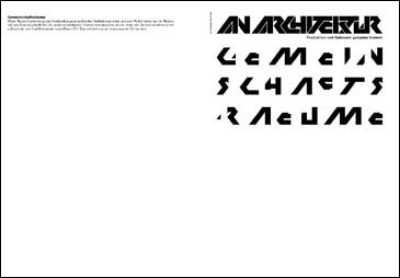
    An Architektur 10: Gemeinschaftsräume

  • An Architektur

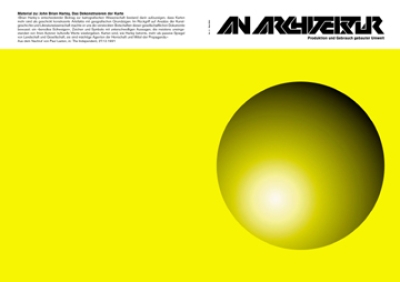
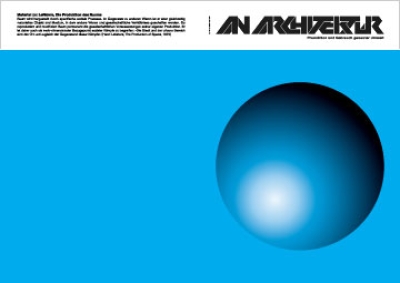
    An Architektur 04-09: Krieg und die Produktion von Raum

  • IDEA Magazine

    IDEA 296. Books <preposition> graphic design

  • IDEA Magazine

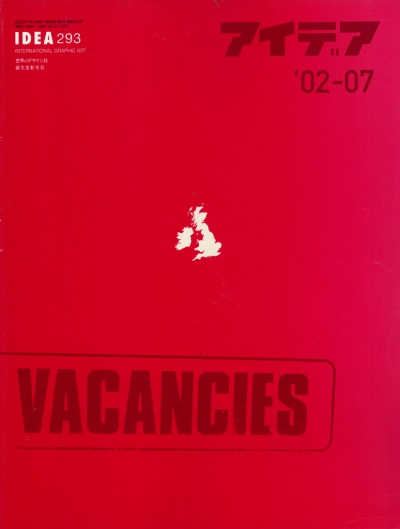
    IDEA 293. Stanley Donwood / Vacances. DD-DDD / Dimensions…

  • gerade nicht auf Lager
    An Architektur

    An Architektur 01-03

  • Pro qm

    Gutschein / Voucher

 Singular Pasts COVER

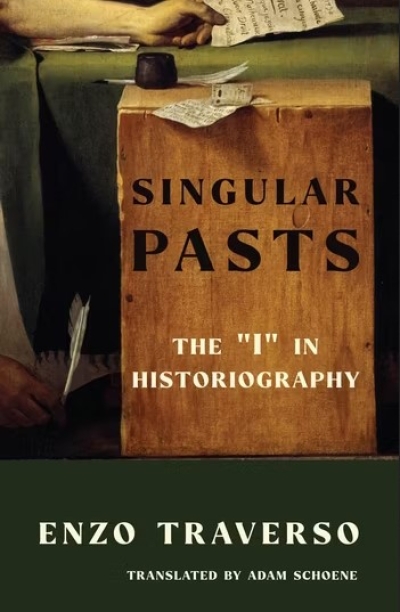
Singular Pasts. The "I" in Historiography

Today, history is increasingly written in the first person. A growing number of historical works include an autobiographical dimension, as if writing about the past required exploring the inner life of the author. Neither traditional history nor autobiography, this hybrid genre calls the norms of the historical profession into question. In search of new and creative paths, it transgresses a cardinal rule of the discipline: third-person narration, long considered necessary to the objective analysis of the past.

Singular Pasts offers a critical account of the emergence of authorial subjectivity in historical writing, scrutinizing both its achievements and its shortcomings. Enzo Traverso considers a group of contemporary historians, including Ivan Jablonka, Sergio Luzzatto, and Mark Mazower, who reveal their emotional ties to their subjects and give their writing a literary flavor. He identifies a parallel trend in literature, in which authors such as W. G. Sebald, Patrick Modiano, Javier Cercas, and Daniel Mendelsohn write their works as investigations based on archival sources. Traverso argues that first-person history mirrors contemporary ways of thinking: such writing is presentist and apolitical, perceiving and representing the past through an individual lens. Probing the limits of subjective historiography, he emphasizes that it is collective action that produces social change: “we” instead of “I.” In an epilogue, Traverso considers the first-person writing of Saidiya Hartman as a counterexample. A wide-ranging and illuminating critique of a key trend in humanistic inquiry, Singular Pasts reconsiders the notion of historical truth in a neoliberal age.


Enzo Traverso
Singular Pasts. The "I" in Historiography
Columbia University Press, 2023, 9780231203999
gerade nicht auf Lager