
















Direkt zum Inhalt

Warenkorb

  • Oda Pälmke (Hg.)

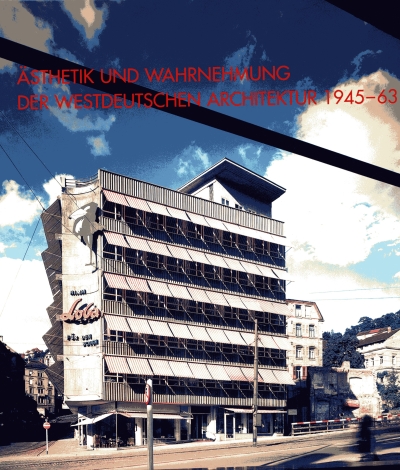
    Ganz gut – Quite Good Houses

  • gerade nicht auf Lager
    Adolf Loos

    Hummer unter der Bettdecke

  • gerade nicht auf Lager
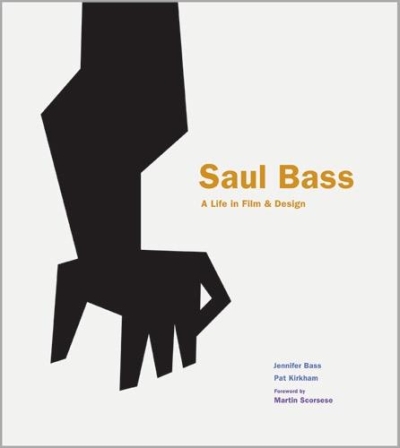
    Jennifer Bass, Pat Kirkham

    Saul Bass. A Life in Film & Design

  • Mårten Spångberg

    Spangbergianism

  • gerade nicht auf Lager
    Ryan McGinness

    To Do List Calendar 2012

  • gerade nicht auf Lager
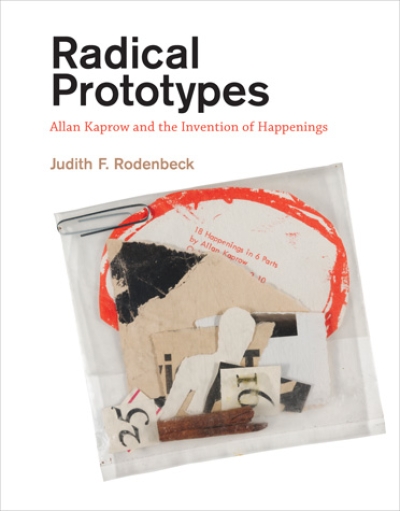
    Judith F. Rodenbeck

    Radical Prototypes. Allan Kaprow and the Invention of…

  • gerade nicht auf Lager
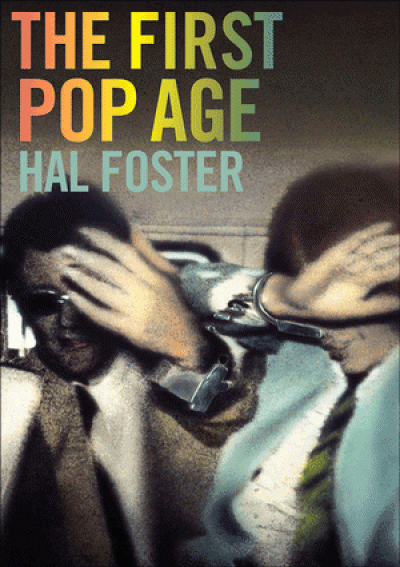
    Hal Foster

    The First Pop Age

  • gerade nicht auf Lager
    Kit White

    101 Things to Learn in Art School

  • gerade nicht auf Lager
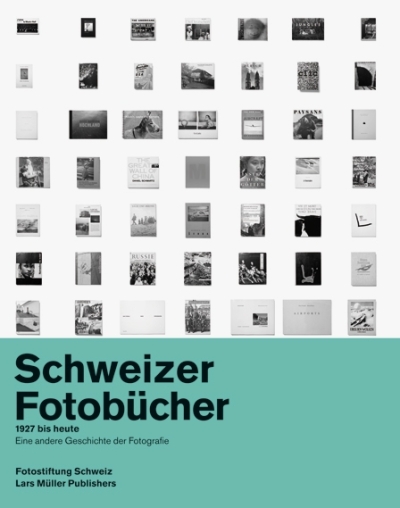
    Peter Pfrunder (Hg.)

    Schweizer Fotobücher 1927 bis heute. Eine andere Geschichte…

  • gerade nicht auf Lager
    N. Brenner, P. Marcuse, M. Mayer (Hg.)

    Cities for People, Not for Profit. Critical Urban Theory…

  • gerade nicht auf Lager
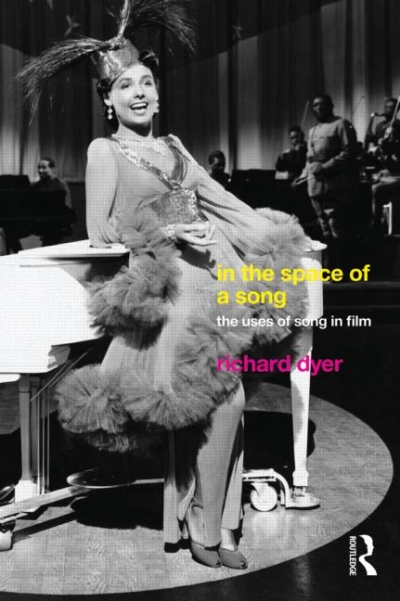
    Richard Dyer

    In The Space Of A Song. The Uses of Song in Film

  • gerade nicht auf Lager
    Andres Lepik (Hg.)

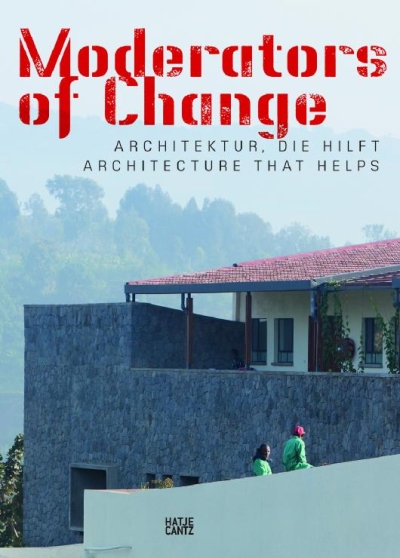
    Moderators of Change. Architektur, die hilft

  • gerade nicht auf Lager
    Bechir Kenzari (Hg.)

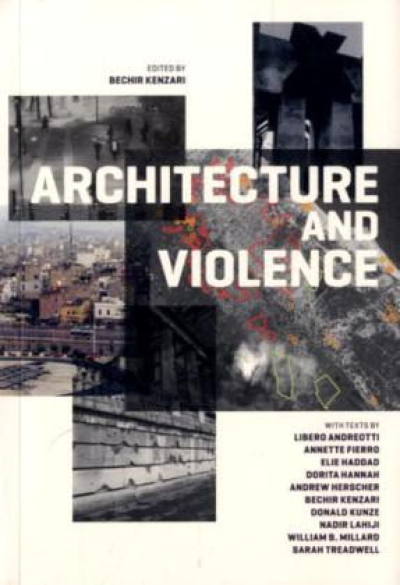
    Architecture and Violence

  • gerade nicht auf Lager
    Roger Thiel

    Anarchitektur

  • gerade nicht auf Lager
    Charles Jencks

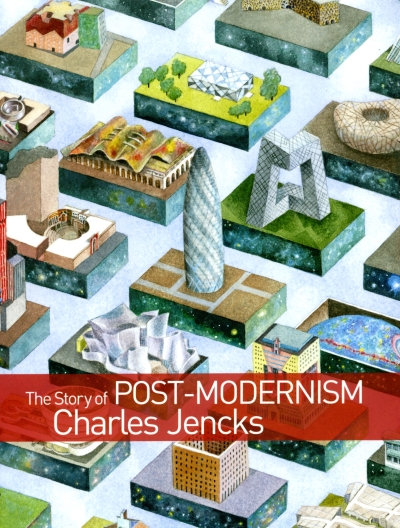
    The Story of Post-Modernism

  • gerade nicht auf Lager
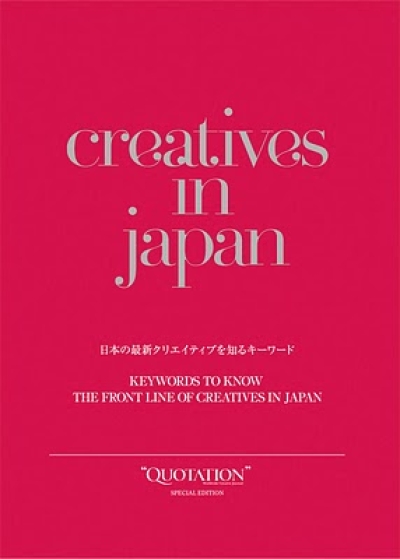
    Toru Hachiga (Hg.)

    Creatives in Japan. Keywords to Know

  • gerade nicht auf Lager
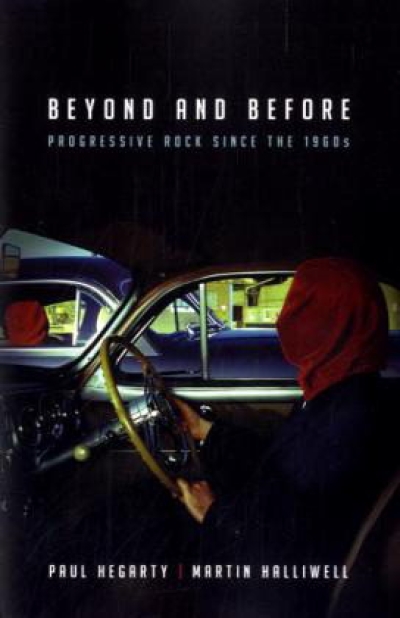
    Paul Hegarty, Martin Halliwell

    Beyond and Before. Progressive Rock since the 1960s

  • gerade nicht auf Lager
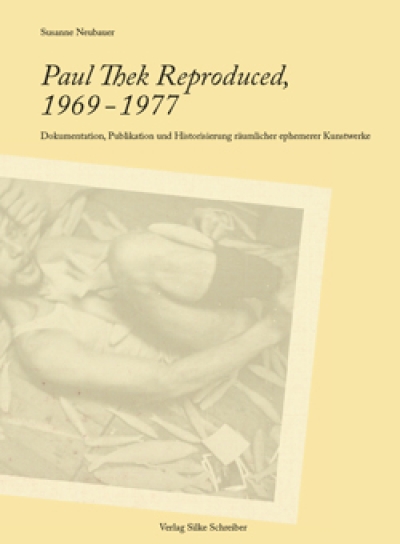
    Susanne Neubauer

    Paul Thek Reproduced, 1969 - 1977

  • gerade nicht auf Lager
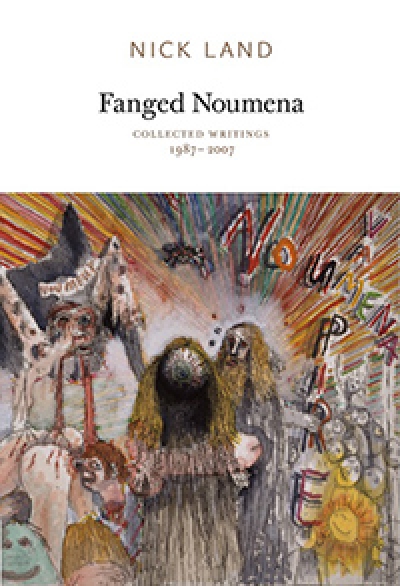
    Nick Land

    Fanged Noumena. Collected Writings 1987-2007

  • gerade nicht auf Lager
    Raúl Zibechi

    Territorien des Widerstands. Eine politische Kartografie…

  • gerade nicht auf Lager
    Paul De Bruyne, Pascal Gielen

    Community Art: The Politics of Trespassing

  • Victor Burgin

    Parallel Texts. Interviews and Interventions about Art

  • gerade nicht auf Lager
    Rem Koolhaas, Hans Ulrich Obrist (Hg.)

    Project Japan. An Oral History of Metabolism

  • gerade nicht auf Lager
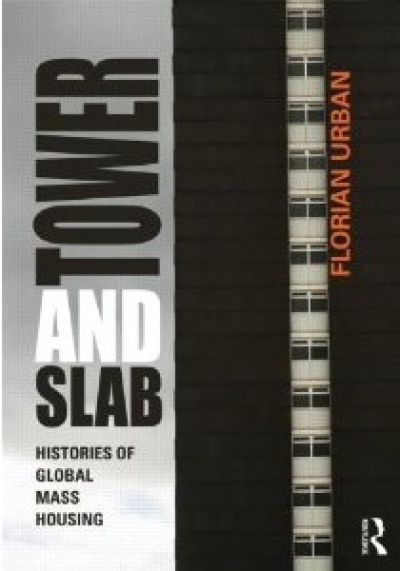
    Florian Urban

    Tower and Slab. Histories of Global Mass Housing

  • gerade nicht auf Lager
    Marit Paasche, Judy Radul (Hg.)

    A Thousand Eyes. Media Technology, Law, and Aesthetics

  • gerade nicht auf Lager
    Wolfgang Sonne (Hg.)

    Die Medien der Architektur

  • gerade nicht auf Lager
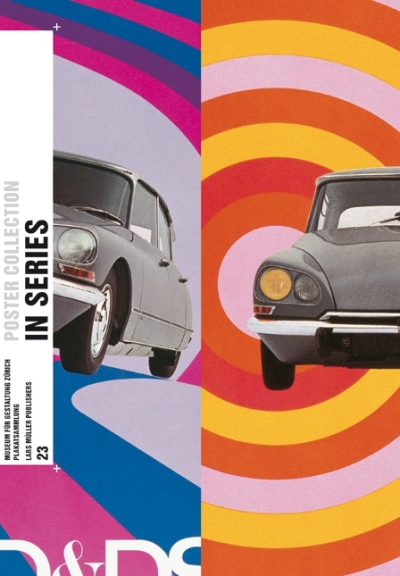
    Museum für Gestaltung Zürich (Hg.)

    Poster Collection 23. In Series

  • gerade nicht auf Lager
    Andrea Cornwall (Hg.)

    The Participation Reader

  • gerade nicht auf Lager
    Franco "Bifo" Berardi

    After the Future

  • gerade nicht auf Lager
    51N4E

    Double or Nothing

  • gerade nicht auf Lager
    Thomas Meinecke

    Lookalikes

  • gerade nicht auf Lager
    Moritz Baßler, Robin Curtis, et al. (Hg…

    Kultur und Kritik (Heft 1, Herbst 2012) POP

  • gerade nicht auf Lager
    Simon Rothöhler

    Amateur der Weltgeschichte. Historiographische Praktiken im…

  • gerade nicht auf Lager
    Gregor Eichinger, Eberhard Tröger

    Touch Me! Das Geheimnis der Oberfläche

  • Juan A. Gaitán, Nicolaus Schafhausen,…

    Cornerstones

  • gerade nicht auf Lager
    Gestalten (Hg.)

    Visual Storytelling. Inspiring a New Visual Language

  • gerade nicht auf Lager
    Christian Marazzi

    Capital and Affects. The Politics of the Language Economy

  • gerade nicht auf Lager
    Hal Foster

    The Art-Architecture Complex

  • gerade nicht auf Lager
    Thomas Hirschhorn

    Establishing a Critical Corpus

  • gerade nicht auf Lager
    Andrej Holm, Klaus Lederer, Matthias…

    Linke Metropolenpolitik. Erfahrungen und Perspektiven am…

  • gerade nicht auf Lager
    Lars Spuybroek

    The Sympathy of Things

  • gerade nicht auf Lager
    Jarett Kobek

    Atta (Semiotext(e) / Intervention)

  • gerade nicht auf Lager
    A. Moravánszky, J. Hopfengärtner (Hg.)

    Aldo Rossi und die Schweiz. Architektonische…

  • gerade nicht auf Lager
    metroZones (Hg.)

    Urban Prayers – Neue religiöse Bewegungen in der globalen…

  • gerade nicht auf Lager
    Marta Herford, Markus Richter (Hg.)

    Wir sind alle Astronauten. Richard Buckminster Fuller

  • gerade nicht auf Lager
    Jürgen Teller

    Touch Me

  • gerade nicht auf Lager
    Lukas Feireiss,Ole Bouman

    Testify! The Consequences of Architecture

  • gerade nicht auf Lager
    Marie J. Aquilino

    Beyond Shelter. Architecture for Crisis

  • gerade nicht auf Lager
    El Croquis 156

    Valerio Olgiati 1996-2011

  • gerade nicht auf Lager
    Pier Vittorio Aureli

    The Possibility of an Absolute Architecture

  • gerade nicht auf Lager
    Mieke Gerritzen, Geert Lovink, Minke…

    I Read Where I Am. Exploring New Information Cultures

  • gerade nicht auf Lager
    Matt Mullican

    Notating the Cosmology 1973-2008

  • gerade nicht auf Lager
    Arno Brandlhuber, Silvan Linden (Hg.)

    Disko 20-25 Architektur ohne Architektur

  • gerade nicht auf Lager
    Craig Buckley, Jean-Louis Violeau (Hg.)

    Utopie. Texts and Projects, 1967–1978

  • gerade nicht auf Lager
    Jürgen Krusche, Günther Vogt

    Strassenräume in Berlin, Shanghai, Tokyo, Zürich. Eine foto…

  • gerade nicht auf Lager
    David Ake

    Source. Music of the Avant-garde, 1966 - 1973

  • gerade nicht auf Lager
    Murray Grigor

    Infinite Space. Der Architekt John Launter. DVD

  • gerade nicht auf Lager
    Yona Friedman

    Architecture with the People, by the People

  • gerade nicht auf Lager
    Lars Lerup

    One Million Acres & No Zoning

  • gerade nicht auf Lager
    M, Kelley, J. Shaw, Niagara, C, Loren

    Destroy All Monsters Magazine 1976-1979

  • gerade nicht auf Lager
    M. Hlavajova, S. Sheikh, J. Winder (Hg.)

    On Horizons. A Critical Reader in Contemporary Art

  • gerade nicht auf Lager
    Michael Sorkin

    All Over the Map. Writing on Buildings and Cities

  • gerade nicht auf Lager
    Nadine Barth (Hg.)

    German Fashion Design 1946-2012

  • gerade nicht auf Lager
    Simon Reynolds

    Retromania. Pop Culture's Addiction to its Own Past

  • gerade nicht auf Lager
    Stan Allen, Marc McQuade (Hg.)

    Landform Building

  • gerade nicht auf Lager
    Fredric Jameson

    Representing Capital. A Reading of Volume One

  • gerade nicht auf Lager
    Magdalena Taube, Krystian Woznicki (Hg.)

    Modell Autodidakt

  • gerade nicht auf Lager
    McKenzie Wark

    The Beach Beneath the Street. The Everyday Life and…

  • gerade nicht auf Lager
    Pedro Barateiro, Ricardo Valentim (Hg.)

    Activity (is to a group what content is to platform)

  • gerade nicht auf Lager
    El Croquis 155

    Sanaa 2008-2011

  • gerade nicht auf Lager
    Laurie Anderson, Trisha Brown, Gordon…

    Pioneers of the Downtown Scene

  • gerade nicht auf Lager
    Curtis, Rees, White, Ball (Hg.)

    Expanded Cinema. Art, Performance, Film

  • gerade nicht auf Lager
    Kaminer, Robles-Dúran, Sohn (Hg.)

    Urban Asymmetries

  • gerade nicht auf Lager
    Abel, Evers, Klaasen, Troxler (Hg.)

    Open Design Now. (why design cannot remain exclusive)

  • gerade nicht auf Lager
    AA Bronson, Peter Hobbs

    Queer Spirits

  • gerade nicht auf Lager
    A. Avanessian, L. Skrebowski (Hg.)

    Contemporary Art and Aesthetics

  • gerade nicht auf Lager
    2G N. 57

    Njiric+ Architekti

  • gerade nicht auf Lager
    Lucia Nagib

    World Cinema and the Ethics of Realism

  • gerade nicht auf Lager
    Huda Smitshuijzen, Abi Fares (Hg.)

    Typographic Matchmaking in the City

  • gerade nicht auf Lager
    H. F. Mallgrave, D. Goodman

    An Introduction to Architectural Theory. 1968 to the Present

  • gerade nicht auf Lager
    Alexander Bolton

    Alexander McQueen. Savage Beauty

  • gerade nicht auf Lager
    Professur Theorie und Geschichte der…

    Architecture in the Age of Empire / Architektur der neuen…

  • gerade nicht auf Lager
    Garth A. Myers

    African Cities. Alternative Visions of Urban Theory and…

  • gerade nicht auf Lager
    Jean-Louis Cohen

    Architecture in Uniform. Designing and Building for the 2nd…

  • gerade nicht auf Lager
    Christopher Dell

    Replaycity. Improvisation als urbane Praxis

  • Byung-Chul Han

    Shanzhai. Dekonstruktion auf Chinesisch

  • gerade nicht auf Lager
    Kaoru Takahashi (Hg.)

    Hello! UK Graphics. Graphic Design in the UK since the 1980s

  • gerade nicht auf Lager
    Josep Lluís Mateo

    After Crisis. Contemporary Architectural Conditions

  • gerade nicht auf Lager
    Louis Luthi

    On the Self-reflexive Page

  • gerade nicht auf Lager
    O.M. Ungers

    Morphologie City Metaphors

  • gerade nicht auf Lager
    Lisa Taylor & Gardeners of Seattle…

    Your Farm in the City

  • gerade nicht auf Lager
    Hassenpflug, Giersig, Stratmann

    Reading the City. Stadt lesen

  • gerade nicht auf Lager
    Butler, Habermas, Taylor, West

    The Power of Religion in the Public Sphere

  • gerade nicht auf Lager
    Richard Fairfield

    The Modern Utopian. Alternative Communities of the 60s and…

  • gerade nicht auf Lager
    Jochen Rädeker, Kirsten Dietz

    Reporting. Unternehmenskommunikation als Imageträger

  • gerade nicht auf Lager
    Lorey, Nigro, Raunig (Hg.)

    Inventionen 1. Gemeinsam. Prekär. Potentia. Dis-/Konjunktion

  • gerade nicht auf Lager
    Jimini Hignett

    The Detroit Diary

  • gerade nicht auf Lager
    Klanten, Mollard, Hübner (Hg.)

    Behind the Zines. Self-Publishing Culture

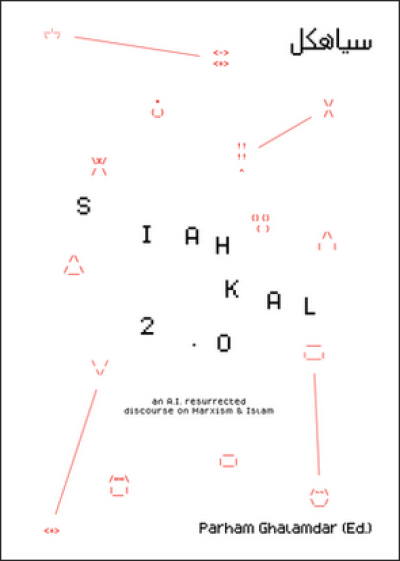
SIAHKAL 2.0: An A.I. resurrected discourse on Marxism & Islam


Siahkal names a place in the forests of Gilan and a threshold in revolutionary time. In 1971 a guerrilla action near Siahkal shook the order of the Shah. The action failed militarily yet seeded a myth for the People’s Fedai Guerrillas. Bizhan Jazani, a founding thinker, wrote and painted in prison and was executed in 1975. His work teaches that strategy rather than sentiment endures. // This book treats Siahkal as a Deep Object, a persistent attractor that gathers memory, images, and tactics. An AI model trained on Jazani’s writings and paintings translates his essay on Islamic Marxism and proposes annotations. The machine functions as a probe that widens attention while remaining accountable to the source. Parham Ghalamdar trained the AI, wrote the introduction, and composed ASCII diagrams and diagrammatic readings from Jazani’s artworks. Parsa Esmaeilzadeh contributes an essay that reads Jazani through Karatani and left accelerationism. // It is a call to reimagine and export revolution as a Deep Object that asks for Deep Time to unfold. This clandestine edition invites the reader to study, test, and build strategy that can outlast the news cycle and meet the future head on.

This is a limited edition book. The author trained an LLM on the texts of a deceased theorist, and then proceeded to interact with the LLM and produce simulations of what the theorist may have said in regards to various pertinent topics. The book is primarily a free online resource, but a few copies are being printed to commemorate the work. It has a foreword and afterword by the Editors.

At the core of this project is a translation of “Marxist Islam or Islamic Marxism,” a groundbreaking text written by Bizhan Jazani during his imprisonment in the 1970s under the Shah’s oppressive regime. Translated by Parham Ghalamdar, this work is accompanied by an introduction contextualizing Jazani’s radical vision. Ghalamdar also contributes a series of ASCII-style illustrations and diagrams—AI-assisted reinterpretations of Jazani’s original paintings and photographs—that bridge the past and present, offering a new perspective on his revolutionary artistry.


About the author
Parham Ghalamdar is a multidisciplinary artist currently based in the UK. Ghalamdar’s work traces forgotten mythologies, buried philosophies, and visual ruins, reconfiguring them into speculative worlds where memory, fiction, and futurism collapse into one another. Drawing on cybernetic theory and generative AI, he explores how systems of feedback, simulation, and machine vision mediate our understanding of history and possibility. Through painting, film, and writing, he builds narratives that feel both ancient and yet-to-come, haunted by lost histories and animated by possible futures.


Siahkal
names a place in the forests of Gilan and a threshold in revolutionary
time. In 1971 a guerrilla action near Siahkal shook the order of the
Shah. The action failed militarily yet seeded a myth for the People’s
Fedai Guerrillas. Bizhan Jazani, a founding thinker, wrote and painted
in prison and was executed in 1975. His work teaches that strategy
rather than sentiment endures. // This book treats Siahkal as a Deep
Object, a persistent attractor that gathers memory, images, and tactics.
An AI model trained on Jazani’s writings and paintings translates his
essay on Islamic Marxism and proposes annotations. The machine functions
as a probe that widens attention while remaining accountable to the
source. Parham Ghalamdar trained the AI, wrote the introduction, and
composed ASCII diagrams and diagrammatic readings from Jazani’s
artworks. Parsa Esmaeilzadeh contributes an essay that reads Jazani
through Karatani and left accelerationism. // It is a call to reimagine
and export revolution as a Deep Object that asks for Deep Time to
unfold. This clandestine edition invites the reader to study, test, and
build strategy that can outlast the news cycle and meet the future head
on.


This is a limited edition book. The author trained an LLM on the texts
of a deceased theorist, and then proceeded to interact with the LLM and
produce simulations of what the theorist may have said in regards to
various pertinent topics. The book is primarily a free online resource,
but a few copies are being printed to commemorate the work. It has a
foreword and afterword by the Editors.


At the core of this project is a translation of “Marxist Islam or
Islamic Marxism,” a groundbreaking text written by Bizhan Jazani during
his imprisonment in the 1970s under the Shah’s oppressive regime.
Translated by Parham Ghalamdar, this work is accompanied by an
introduction contextualizing Jazani’s radical vision. Ghalamdar also
contributes a series of ASCII-style illustrations and
diagrams—AI-assisted reinterpretations of Jazani’s original paintings
and photographs—that bridge the past and present, offering a new
perspective on his revolutionary artistry.


About the author

Parham Ghalamdar is a multidisciplinary artist currently based in the
UK. Ghalamdar’s work traces forgotten mythologies, buried philosophies,
and visual ruins, reconfiguring them into speculative worlds where
memory, fiction, and futurism collapse into one another. Drawing on
cybernetic theory and generative AI, he explores how systems of
feedback, simulation, and machine vision mediate our understanding of
history and possibility. Through painting, film, and writing, he builds
narratives that feel both ancient and yet-to-come, haunted by lost
histories and animated by possible futures.


Siahkal
names a place in the forests of Gilan and a threshold in revolutionary
time. In 1971 a guerrilla action near Siahkal shook the order of the
Shah. The action failed militarily yet seeded a myth for the People’s
Fedai Guerrillas. Bizhan Jazani, a founding thinker, wrote and painted
in prison and was executed in 1975. His work teaches that strategy
rather than sentiment endures. // This book treats Siahkal as a Deep
Object, a persistent attractor that gathers memory, images, and tactics.
An AI model trained on Jazani’s writings and paintings translates his
essay on Islamic Marxism and proposes annotations. The machine functions
as a probe that widens attention while remaining accountable to the
source. Parham Ghalamdar trained the AI, wrote the introduction, and
composed ASCII diagrams and diagrammatic readings from Jazani’s
artworks. Parsa Esmaeilzadeh contributes an essay that reads Jazani
through Karatani and left accelerationism. // It is a call to reimagine
and export revolution as a Deep Object that asks for Deep Time to
unfold. This clandestine edition invites the reader to study, test, and
build strategy that can outlast the news cycle and meet the future head
on.


This is a limited edition book. The author trained an LLM on the texts
of a deceased theorist, and then proceeded to interact with the LLM and
produce simulations of what the theorist may have said in regards to
various pertinent topics. The book is primarily a free online resource,
but a few copies are being printed to commemorate the work. It has a
foreword and afterword by the Editors.


At the core of this project is a translation of “Marxist Islam or
Islamic Marxism,” a groundbreaking text written by Bizhan Jazani during
his imprisonment in the 1970s under the Shah’s oppressive regime.
Translated by Parham Ghalamdar, this work is accompanied by an
introduction contextualizing Jazani’s radical vision. Ghalamdar also
contributes a series of ASCII-style illustrations and
diagrams—AI-assisted reinterpretations of Jazani’s original paintings
and photographs—that bridge the past and present, offering a new
perspective on his revolutionary artistry.


About the author

Parham Ghalamdar is a multidisciplinary artist currently based in the
UK. Ghalamdar’s work traces forgotten mythologies, buried philosophies,
and visual ruins, reconfiguring them into speculative worlds where
memory, fiction, and futurism collapse into one another. Drawing on
cybernetic theory and generative AI, he explores how systems of
feedback, simulation, and machine vision mediate our understanding of
history and possibility. Through painting, film, and writing, he builds
narratives that feel both ancient and yet-to-come, haunted by lost
histories and animated by possible futures.


Siahkal names a place in the forests of Gilan and a threshold in revolutionary time. In 1971 a guerrilla action near Siahkal shook the order of the Shah. The action failed militarily yet seeded a myth for the People’s Fedai Guerrillas. Bizhan Jazani, a founding thinker, wrote and painted in prison and was executed in 1975. His work teaches that strategy rather than sentiment endures. // This book treats Siahkal as a Deep Object, a persistent attractor that gathers memory, images, and tactics. An AI model trained on Jazani’s writings and paintings translates his essay on Islamic Marxism and proposes annotations. The machine functions as a probe that widens attention while remaining accountable to the source. Parham Ghalamdar trained the AI, wrote the introduction, and composed ASCII diagrams and diagrammatic readings from Jazani’s artworks. Parsa Esmaeilzadeh contributes an essay that reads Jazani through Karatani and left accelerationism. // It is a call to reimagine and export revolution as a Deep Object that asks for Deep Time to unfold. This clandestine edition invites the reader to study, test, and build strategy that can outlast the news cycle and meet the future head on.

This is a limited edition book. The author trained an LLM on the texts of a deceased theorist, and then proceeded to interact with the LLM and produce simulations of what the theorist may have said in regards to various pertinent topics. The book is primarily a free online resource, but a few copies are being printed to commemorate the work. It has a foreword and afterword by the Editors. 

At the core of this project is a translation of “Marxist Islam or Islamic Marxism,” a groundbreaking text written by Bizhan Jazani during his imprisonment in the 1970s under the Shah’s oppressive regime. Translated by Parham Ghalamdar, this work is accompanied by an introduction contextualizing Jazani’s radical vision. Ghalamdar also contributes a series of ASCII-style illustrations and diagrams—AI-assisted reinterpretations of Jazani’s original paintings and photographs—that bridge the past and present, offering a new perspective on his revolutionary artistry.


“Bizhan Jazani”, Parham Ghalamdar
SIAHKAL 2.0: An A.I. resurrected discourse on Marxism & Islam
Becoming Press, 2025, 978-9925-8207-7-1
15,00 €