


Direkt zum Inhalt

Warenkorb

  • Wolfgang Thöner, Florian Strob, Andreas…

    Linke Waffe Kunst. Die Kommunistische Studentenfraktion am…

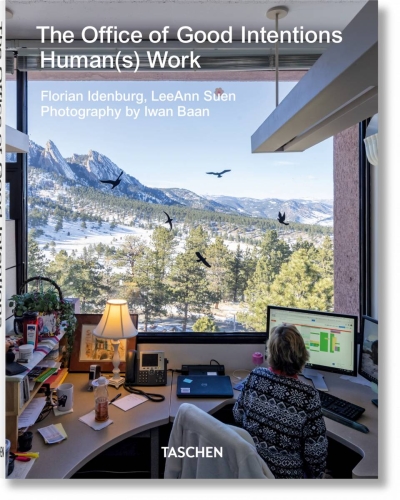
  • Florian Idenburg, LeeAnn Suen,…

    The Office of Good Intentions. Human(s) Work

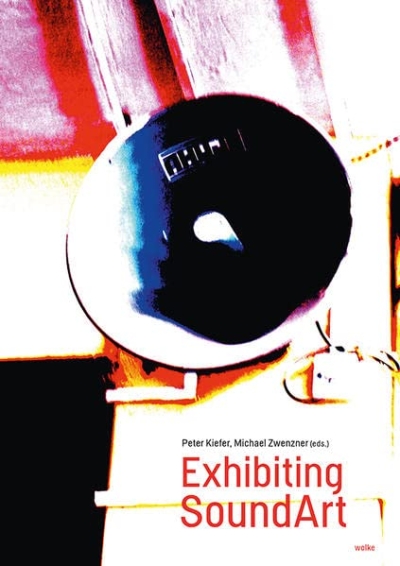
  • Peter Kiefer, Michael Zwenzner (Hg.)

    Exhibiting SoundArt

  • gerade nicht auf Lager
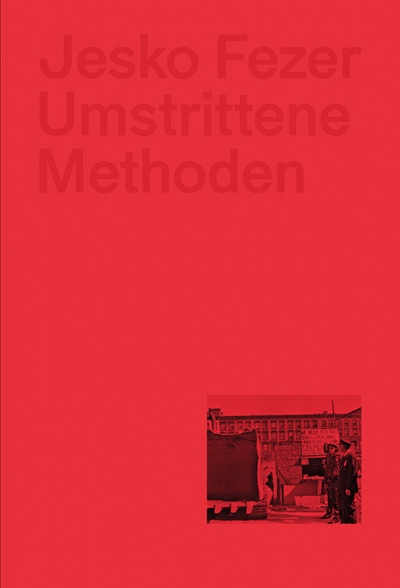
    Jesko Fezer

    Umstrittene Methoden. Architekturdiskurse der…

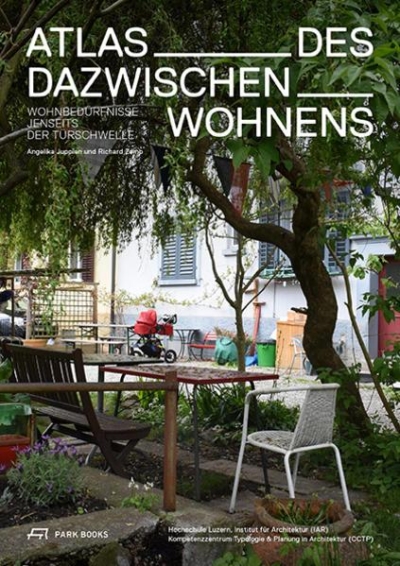
  • Angelika Juppien, Richard Zemp,…

    Atlas des Dazwischenwohnens. Wohnbedürfnisse jenseits der…

  • Joerg Franzbecker, Naomi Hennig,…

    X Properties. Berliner Hefte zu Geschichte und Gegenwart…

  • gerade nicht auf Lager
    Lauren Berlant

    On the Inconvenience of Other People

  • Stefano Harney, Fred Moten

    Allseits unvollkommen. Plantokratie und schwarzes Studium

  • Lucius Burckhardt

    Gerade noch gutgegangen. Fünf Jahrzehnte Planungskritik

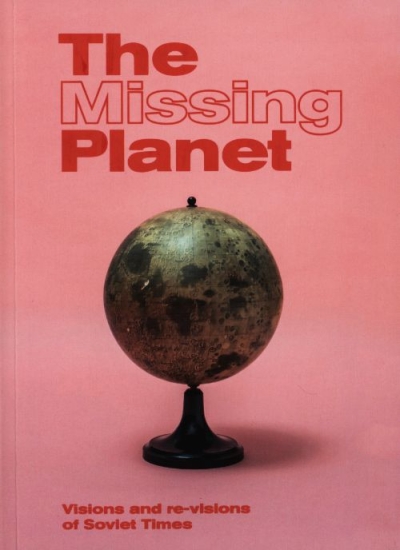
  • Vittoria Pavesi (Hg)

    The Missing Planet. Visions and Re-Visions of Soviet Times

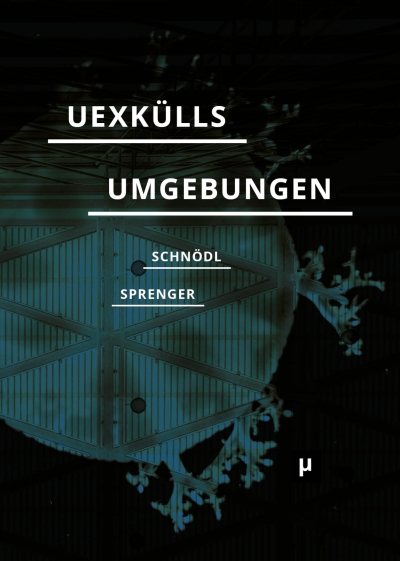
  • Gottfried Schnödl, Florian Sprenger

    Uexkülls Umgebungen. Umweltlehre und rechtes Denken

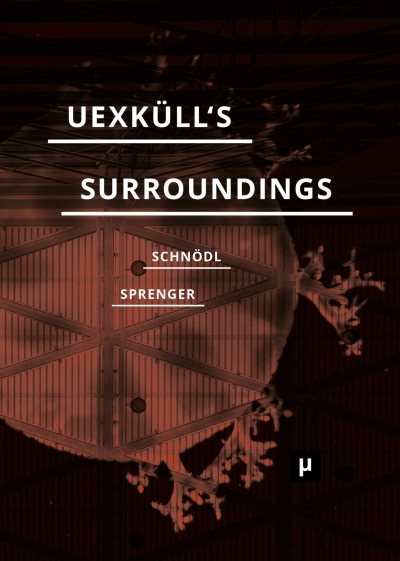
  • Gottfried Schnödl, Florian Sprenger

    Uexküll's Surroundings. Umwelt Theory and Right-Wing…

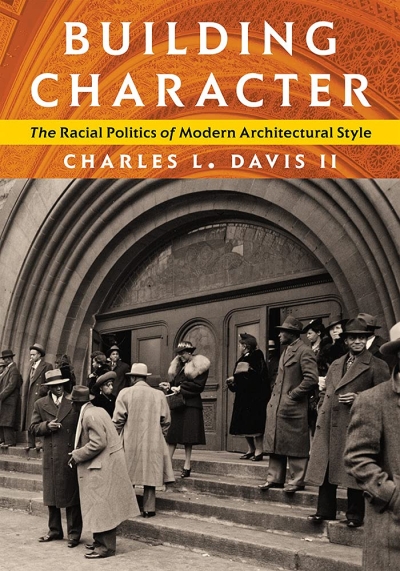
  • Charles L. Davis II

    Building Character.The Racial Politics of Modern…

  • gerade nicht auf Lager
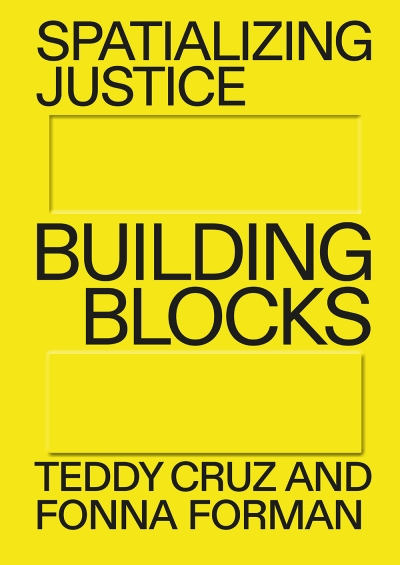
    Teddy Cruz, Fonna Forman

    Spatializing Justice. Building Blocks

  • gerade nicht auf Lager
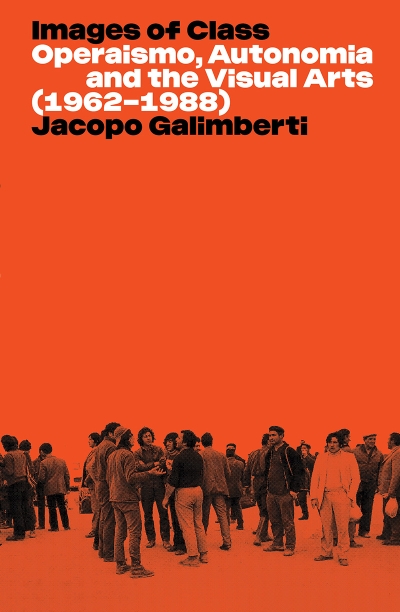
    Jacopo Galimberti

    Images of Class. Operaismo, Autonomia and the Visual Arts (…

  • gerade nicht auf Lager
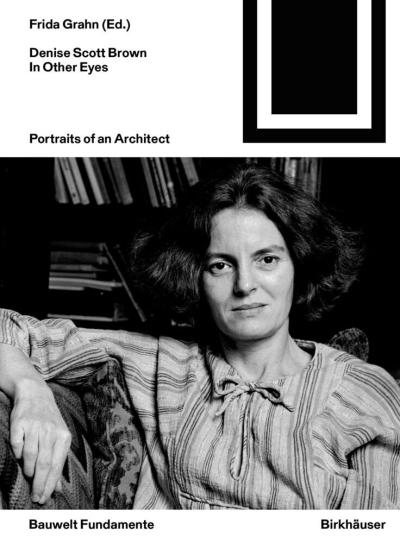
    Frida Grahn (Hg.)

    Denise Scott Brown. In Other Eyes. Portraits of an Architect

  • Michael Franz, Fabian Ginsberg (Hg.)

    Strategien der Aufstandsbekämpfung. Kunst

  • David Sim

    Sanfte Stadt. Planungsideen für den urbanen Alltag

  • gerade nicht auf Lager
    Hannah Black

    Tuesday or September or the End

  • gerade nicht auf Lager
    Adrienne Buller, Mathew Lawrence

    Owning the Future. Power and Property in the Age of Crisis

  • gerade nicht auf Lager
    Sianne Ngai

    Das Niedliche und der Gimmick. Zwei ästhetische Kategorien

  • dérive

    dérive N° 89, Polyzentral und Ökosozial (Okt-Dez/2022)

  • gerade nicht auf Lager
    Mathias Denecke, Holger Kuhn, Milan…

    Liquidity, Flows, Circulation. The Cultural Logic of…

  • gerade nicht auf Lager
    Bernard Fibicher (Hg)

    Resistance Anew: Artworks, Culture, & Democracy (…

  • gerade nicht auf Lager
    Reto Geiser, Michael Kubo (Hg)

    Futures of the Architectural Exhibition.

  • gerade nicht auf Lager
    Benjamin Bratton

    Die Realität schlägt zurück. Politik für eine…

  • gerade nicht auf Lager
    Rolf Lindner

    In einer Welt von Fremden. Eine Anthropolgie der Stadt

  • Lorenzo Fabian & Ludovico Centis

    The lake of Venice. A scenario for Venice and its lagoon

  • gerade nicht auf Lager
    Peter Osborne

    Crisis as Form

  • gerade nicht auf Lager
    Leslie Kern

    Gentrification Is Inevitable and Other Lies

  • Arch+ Zeitschrift für Architektur und…

    Arch+ 249. Learning Spaces

  • gerade nicht auf Lager
    Ergül Cengiz, Burcu Dogramaci, Philipp…

    Exzentrische 80er: Tabea Blumenschein, Hilka Nordhausen,…

  • Omar Kasmani, Matthias Lüthjohann,…

    Nothing Personal?! Essays on Affect, Gender and Queerness

  • Sinthujan Varatharajah, Hilal Moshtari

    Englisch in Berlin. English in Berlin

  • Ina Blom

    Houses to Die In. And Other Essays on Art

  • Lindsay Caplan

    Arte Programmata. Freedom, Control, and the Computer in…

  • gerade nicht auf Lager
    Erik Spiekermann

    Stop Stealing Sheep & Find out how type works. 4th…

  • Luka Holmegaard

    Look

  • IDEA Magazine

    IDEA 399. In the Design Field, Today: Thought and Practice…

  • Verena von Beckerath, Barbara Schönig (…

    Drei Zimmer, Küche, Diele, Bad. Eine Wohnung mit Optionen

  • gerade nicht auf Lager
    Tresor

    Tresor: True Stories: The Early Years

  • Alexis Hyman Wolff, Achim Lengerer,…

    Berliner Hefte zu Geschichte und Gegenwart der Stadt #9. Am…

  • gerade nicht auf Lager
    Philippine Hoegen (Ed.)

    In these circumstances. On collaboration, perfomativity,…

  • gerade nicht auf Lager
    Jeanne Gerrity, Anthony Huberman (Eds.)

    What happens between the knots? A Series of Open Questions…

  • gerade nicht auf Lager
    Beatrice von Bismarck

    The Curatorial Condition

  • Dimitra Kondylatou, Milica Ivic, David…

    Architectures of Healing. Cure through Sleep, Touch, and…

  • gerade nicht auf Lager
    Warren Neidich (Ed)

    An Activist Neuroaesthetics Reader

  • gestalten, ArchDaily, Rosie Flanagan,…

    The ArchDaily Guide to Good Architecture. The Now and How…

  • gerade nicht auf Lager
    B. B. Jensen, H. Ibelings (eds.)

    Provocations Against Perfectionism: The Architecture of…

  • gerade nicht auf Lager
    Jack Clarke & Sami Hammana (Hg)

    The Geofinancial Lexicon

  • Kerstin Honeit, Fiona McGovern (Hg.)

    Kerstin Honeit. Voice Works Voice Strikes

  • gerade nicht auf Lager
    Claudia Rankine

    On Whiteness. The Racial Imaginary Institute

  • Deutsche Wohnen & Co enteignen (Hg)

    Wie Vergesellschaftung gelingt. Zum Stand der Debatte

  • gerade nicht auf Lager
    Beatriz Colomina, Ignacio G. Galán,…

    Radical Pedagogies

  • gerade nicht auf Lager
    Anouchka Grose, Robert Brewer Young

    Uneasy Listening. Notes on Hearing & Being Heard

  • gerade nicht auf Lager
    Ursula Schulz-Dornburg

    Huts, Temples, Castles

  • Paulo Moreira (Ed.)

    Critical Neighbourhoods. The Architecture of Contested…

  • gerade nicht auf Lager
    Muñoz Sanz, V., Thomidou, A., eds.

    Roadside Picnics: Encounters with the Uncanny

  • gerade nicht auf Lager
    Francesca Gotti, Jacopo Leveratto,…

    The Design of Tactics. Critical Practices Transforming…

  • gerade nicht auf Lager
    Thomas Piketty

    Eine kurze Geschichte der Gleichheit

  • gerade nicht auf Lager
    Mary Pepchinski, Christina Budde (eds.)

    Women Architects and Politics. Intersections between Gender…

  • gerade nicht auf Lager
    Ayala Levin

    Architecture and Development. Israeli Construction in Sub-…

  • gerade nicht auf Lager
    Chantal Akerman

    Meine Mutter lacht

  • gerade nicht auf Lager
    AbdouMaliq Simone

    The Surrounds. Urban Life within and beyond Capture

  • Ash Amin, Michele Lancione (Hg)

    Grammars of the Urban Ground

  • Geert Lovink

    In der Plattformfalle. Plädoyer zur Rückeroberung des…

  • Camillo Boano, Cristina Bianchetti (eds…

    Lifelines. Politics, Ethics, and the Affective Economy of…

  • Joshua Neves, Aleena Chia, Susanna…

    Technopharmacology

  • Simon Lamunière (ed.)

    Open House. Designing Spaces for Living / Concevoir des…

  • gerade nicht auf Lager
    Andrew Zitcer

    Practicing Cooperation. Mutual Aid beyond Capitalism

  • gerade nicht auf Lager
    Florian Kaiser, Guobin Shen

    Florian Kaiser and Guobin Shen. Unfertige Häuser 未完的建築 (…

  • Caroline Ballegaard, Lara Nelke,…

    Uncanny Entrepreneurship

  • gerade nicht auf Lager
    Vera Hofmann, Johannes Euler, Linus…

    Commoning Art. Die transformativen Potenziale von Commons…

  • Mary Otis Stevens, Thomas McNulty

    World of Variation

  • gerade nicht auf Lager
    Darjan Hill, Nicole Lachenmeier

    Visualizing Complexity. Handbuch modulares…

  • gerade nicht auf Lager
    Moisés Puente

    2G 85. Leopold Banchini

  • gerade nicht auf Lager
    Jeffrey S. Nesbit

    Nature of Enclosure

  • Noam Benatar

    Yiddish Displayed. A Typographic Experiment Through the…

  • gerade nicht auf Lager
    Carla Ferrer, Thomas Hildebrand, Celina…

    Touch Wood. Material, Architektur, Zukunft

  • gerade nicht auf Lager
    James Bridle

    Ways of Being. Beyond Human Intelligence

  • Uwe Bresan, Wolfgang Voigt

    Schwule Architekten - Gay Architects: Verschwiegene…

  • Günter Behnisch

    Über Architektur. Vorträge und Schriften von Günter…

  • gerade nicht auf Lager
    Melanie Kurz, Thilo Schwer

    Raster, Regeln, Ratio. Systematiken und Normungen im Design…

  • gerade nicht auf Lager
    Werner Sobek

    non nobis - über das Bauen in der Zukunft. Band 1: Ausgehen…

  • gerade nicht auf Lager
    Frank Barkow, Philip Ursprung, Ludwig…

    Barkow Leibinger. Revolutions of Choice

  • gerade nicht auf Lager
    Alex Coles, Catharine Rossi (Eds.)

    Post-craft. EP Vol. 3

  • Elizabeth Povinelli

    Routes / Worlds

  • Oxana Timofeeva, Anja Dagmar…

    Heimat. Eine Gebrauchsanweisung

  • Tom Avermaete, Maxime Zaugg (Eds)

    Agadir. Building the Modern Afropolis

  • gerade nicht auf Lager
    Boaz Levin, Esther Ruelfs, Tulga…

    Mining Photography. Der ökologische Fussabdruck der…

  • Stefan Römer

    DeConceptualize - Zur Dekonstruktion des Konzeptuellen in…

  • gerade nicht auf Lager
    Harald R. Stühlinger

    Casa Kalman. Luigi Snozzi

  • Jana Vanecek

    ID9606/2a-c. Dispositive eines Virus

  • gerade nicht auf Lager
    Johannes Salim Ismaiel-Wendt, Andi…

    Postcolonial Repercussions. On Sound Ontologies and…

  • gerade nicht auf Lager
    Sue Spaid

    The Philosophy of Curatorial Practice: Between Work and…

  • gerade nicht auf Lager
    Ehling, Grothus, Jung, Kemmerich (Hg)

    10 Jahre Hambacher Forst. #Hambibleibt 2012 - 2022

  • dérive

    dérive N° 88, Ukraine (Jul-Sept 2022)

  • gerade nicht auf Lager
    Arch+ Zeitschrift für Architektur und…

    Arch+ 248. Stuttgart. Die produktive Stadtregion und die…

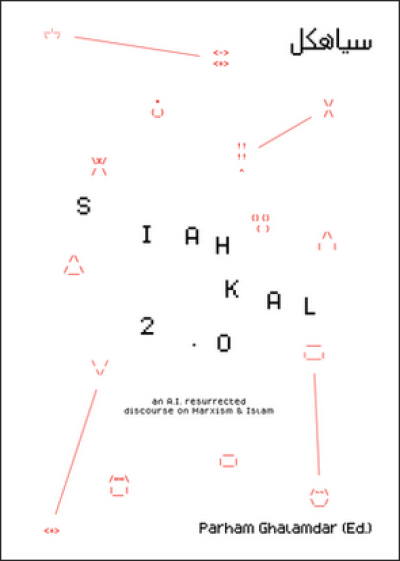
SIAHKAL 2.0: An A.I. resurrected discourse on Marxism & Islam


Siahkal names a place in the forests of Gilan and a threshold in revolutionary time. In 1971 a guerrilla action near Siahkal shook the order of the Shah. The action failed militarily yet seeded a myth for the People’s Fedai Guerrillas. Bizhan Jazani, a founding thinker, wrote and painted in prison and was executed in 1975. His work teaches that strategy rather than sentiment endures. // This book treats Siahkal as a Deep Object, a persistent attractor that gathers memory, images, and tactics. An AI model trained on Jazani’s writings and paintings translates his essay on Islamic Marxism and proposes annotations. The machine functions as a probe that widens attention while remaining accountable to the source. Parham Ghalamdar trained the AI, wrote the introduction, and composed ASCII diagrams and diagrammatic readings from Jazani’s artworks. Parsa Esmaeilzadeh contributes an essay that reads Jazani through Karatani and left accelerationism. // It is a call to reimagine and export revolution as a Deep Object that asks for Deep Time to unfold. This clandestine edition invites the reader to study, test, and build strategy that can outlast the news cycle and meet the future head on.

This is a limited edition book. The author trained an LLM on the texts of a deceased theorist, and then proceeded to interact with the LLM and produce simulations of what the theorist may have said in regards to various pertinent topics. The book is primarily a free online resource, but a few copies are being printed to commemorate the work. It has a foreword and afterword by the Editors.

At the core of this project is a translation of “Marxist Islam or Islamic Marxism,” a groundbreaking text written by Bizhan Jazani during his imprisonment in the 1970s under the Shah’s oppressive regime. Translated by Parham Ghalamdar, this work is accompanied by an introduction contextualizing Jazani’s radical vision. Ghalamdar also contributes a series of ASCII-style illustrations and diagrams—AI-assisted reinterpretations of Jazani’s original paintings and photographs—that bridge the past and present, offering a new perspective on his revolutionary artistry.


About the author
Parham Ghalamdar is a multidisciplinary artist currently based in the UK. Ghalamdar’s work traces forgotten mythologies, buried philosophies, and visual ruins, reconfiguring them into speculative worlds where memory, fiction, and futurism collapse into one another. Drawing on cybernetic theory and generative AI, he explores how systems of feedback, simulation, and machine vision mediate our understanding of history and possibility. Through painting, film, and writing, he builds narratives that feel both ancient and yet-to-come, haunted by lost histories and animated by possible futures.


Siahkal
names a place in the forests of Gilan and a threshold in revolutionary
time. In 1971 a guerrilla action near Siahkal shook the order of the
Shah. The action failed militarily yet seeded a myth for the People’s
Fedai Guerrillas. Bizhan Jazani, a founding thinker, wrote and painted
in prison and was executed in 1975. His work teaches that strategy
rather than sentiment endures. // This book treats Siahkal as a Deep
Object, a persistent attractor that gathers memory, images, and tactics.
An AI model trained on Jazani’s writings and paintings translates his
essay on Islamic Marxism and proposes annotations. The machine functions
as a probe that widens attention while remaining accountable to the
source. Parham Ghalamdar trained the AI, wrote the introduction, and
composed ASCII diagrams and diagrammatic readings from Jazani’s
artworks. Parsa Esmaeilzadeh contributes an essay that reads Jazani
through Karatani and left accelerationism. // It is a call to reimagine
and export revolution as a Deep Object that asks for Deep Time to
unfold. This clandestine edition invites the reader to study, test, and
build strategy that can outlast the news cycle and meet the future head
on.


This is a limited edition book. The author trained an LLM on the texts
of a deceased theorist, and then proceeded to interact with the LLM and
produce simulations of what the theorist may have said in regards to
various pertinent topics. The book is primarily a free online resource,
but a few copies are being printed to commemorate the work. It has a
foreword and afterword by the Editors.


At the core of this project is a translation of “Marxist Islam or
Islamic Marxism,” a groundbreaking text written by Bizhan Jazani during
his imprisonment in the 1970s under the Shah’s oppressive regime.
Translated by Parham Ghalamdar, this work is accompanied by an
introduction contextualizing Jazani’s radical vision. Ghalamdar also
contributes a series of ASCII-style illustrations and
diagrams—AI-assisted reinterpretations of Jazani’s original paintings
and photographs—that bridge the past and present, offering a new
perspective on his revolutionary artistry.


About the author

Parham Ghalamdar is a multidisciplinary artist currently based in the
UK. Ghalamdar’s work traces forgotten mythologies, buried philosophies,
and visual ruins, reconfiguring them into speculative worlds where
memory, fiction, and futurism collapse into one another. Drawing on
cybernetic theory and generative AI, he explores how systems of
feedback, simulation, and machine vision mediate our understanding of
history and possibility. Through painting, film, and writing, he builds
narratives that feel both ancient and yet-to-come, haunted by lost
histories and animated by possible futures.


Siahkal
names a place in the forests of Gilan and a threshold in revolutionary
time. In 1971 a guerrilla action near Siahkal shook the order of the
Shah. The action failed militarily yet seeded a myth for the People’s
Fedai Guerrillas. Bizhan Jazani, a founding thinker, wrote and painted
in prison and was executed in 1975. His work teaches that strategy
rather than sentiment endures. // This book treats Siahkal as a Deep
Object, a persistent attractor that gathers memory, images, and tactics.
An AI model trained on Jazani’s writings and paintings translates his
essay on Islamic Marxism and proposes annotations. The machine functions
as a probe that widens attention while remaining accountable to the
source. Parham Ghalamdar trained the AI, wrote the introduction, and
composed ASCII diagrams and diagrammatic readings from Jazani’s
artworks. Parsa Esmaeilzadeh contributes an essay that reads Jazani
through Karatani and left accelerationism. // It is a call to reimagine
and export revolution as a Deep Object that asks for Deep Time to
unfold. This clandestine edition invites the reader to study, test, and
build strategy that can outlast the news cycle and meet the future head
on.


This is a limited edition book. The author trained an LLM on the texts
of a deceased theorist, and then proceeded to interact with the LLM and
produce simulations of what the theorist may have said in regards to
various pertinent topics. The book is primarily a free online resource,
but a few copies are being printed to commemorate the work. It has a
foreword and afterword by the Editors.


At the core of this project is a translation of “Marxist Islam or
Islamic Marxism,” a groundbreaking text written by Bizhan Jazani during
his imprisonment in the 1970s under the Shah’s oppressive regime.
Translated by Parham Ghalamdar, this work is accompanied by an
introduction contextualizing Jazani’s radical vision. Ghalamdar also
contributes a series of ASCII-style illustrations and
diagrams—AI-assisted reinterpretations of Jazani’s original paintings
and photographs—that bridge the past and present, offering a new
perspective on his revolutionary artistry.


About the author

Parham Ghalamdar is a multidisciplinary artist currently based in the
UK. Ghalamdar’s work traces forgotten mythologies, buried philosophies,
and visual ruins, reconfiguring them into speculative worlds where
memory, fiction, and futurism collapse into one another. Drawing on
cybernetic theory and generative AI, he explores how systems of
feedback, simulation, and machine vision mediate our understanding of
history and possibility. Through painting, film, and writing, he builds
narratives that feel both ancient and yet-to-come, haunted by lost
histories and animated by possible futures.


Siahkal names a place in the forests of Gilan and a threshold in revolutionary time. In 1971 a guerrilla action near Siahkal shook the order of the Shah. The action failed militarily yet seeded a myth for the People’s Fedai Guerrillas. Bizhan Jazani, a founding thinker, wrote and painted in prison and was executed in 1975. His work teaches that strategy rather than sentiment endures. // This book treats Siahkal as a Deep Object, a persistent attractor that gathers memory, images, and tactics. An AI model trained on Jazani’s writings and paintings translates his essay on Islamic Marxism and proposes annotations. The machine functions as a probe that widens attention while remaining accountable to the source. Parham Ghalamdar trained the AI, wrote the introduction, and composed ASCII diagrams and diagrammatic readings from Jazani’s artworks. Parsa Esmaeilzadeh contributes an essay that reads Jazani through Karatani and left accelerationism. // It is a call to reimagine and export revolution as a Deep Object that asks for Deep Time to unfold. This clandestine edition invites the reader to study, test, and build strategy that can outlast the news cycle and meet the future head on.

This is a limited edition book. The author trained an LLM on the texts of a deceased theorist, and then proceeded to interact with the LLM and produce simulations of what the theorist may have said in regards to various pertinent topics. The book is primarily a free online resource, but a few copies are being printed to commemorate the work. It has a foreword and afterword by the Editors. 

At the core of this project is a translation of “Marxist Islam or Islamic Marxism,” a groundbreaking text written by Bizhan Jazani during his imprisonment in the 1970s under the Shah’s oppressive regime. Translated by Parham Ghalamdar, this work is accompanied by an introduction contextualizing Jazani’s radical vision. Ghalamdar also contributes a series of ASCII-style illustrations and diagrams—AI-assisted reinterpretations of Jazani’s original paintings and photographs—that bridge the past and present, offering a new perspective on his revolutionary artistry.


“Bizhan Jazani”, Parham Ghalamdar
SIAHKAL 2.0: An A.I. resurrected discourse on Marxism & Islam
Becoming Press, 2025, 978-9925-8207-7-1
15,00 €